Mastering Gas Purification Strategies
When you think of gas filtration, it's easy to ignore its vital function gas engineer ditton in industrial procedures and environmental health and wellness. You're not just managing exhausts; you're charting an intricate landscape of methods like adsorption, catalytic conversion, and membrane layer splitting up that can significantly enhance performance and compliance. Comprehending these techniques isn't just useful it's important for any kind of organization devoted to sustainability. However just how do you properly implement these techniques while keeping up with development and governing demands? The answers may amaze you.
Key insights
- Understand numerous gas filtration methods like purification, adsorption, and catalytic conversion to select one of the most reliable techniques for your demands.
- Maximize adsorption systems by selecting the best adsorbent materials for improved effectiveness and decreased functional expenses.
- Implement advanced control systems and real-time information analytics to keep an eye on and improve filtration processes continually.
- Keep educated on emerging technologies and lasting techniques in gas filtration for ingenious solutions and compliance with governing requirements.
- Conduct extensive needs assessments and supply personnel training to ensure proper procedure and upkeep of gas filtration systems.
Importance of Gas Filtration
Gas filtration plays a crucial role in numerous commercial procedures, as it straight impacts effectiveness, security, and ecological compliance. You've most likely experienced numerous market applications where the high quality of gas affects product end results, functional expenses, and adherence to regulative criteria. Making certain effective gas purification reduces harmful emissions, thereby lowering the ecological impact of industrial tasks.
The wellness implications of poor gas filtration are significant, as exposure to poisonous gases can bring about significant health risks for employees and bordering neighborhoods. Carrying out advanced safety measures is essential to protect both employees and the environment. Technological innovations in filtration techniques can boost performance, leading to considerable financial benefits for your organization.
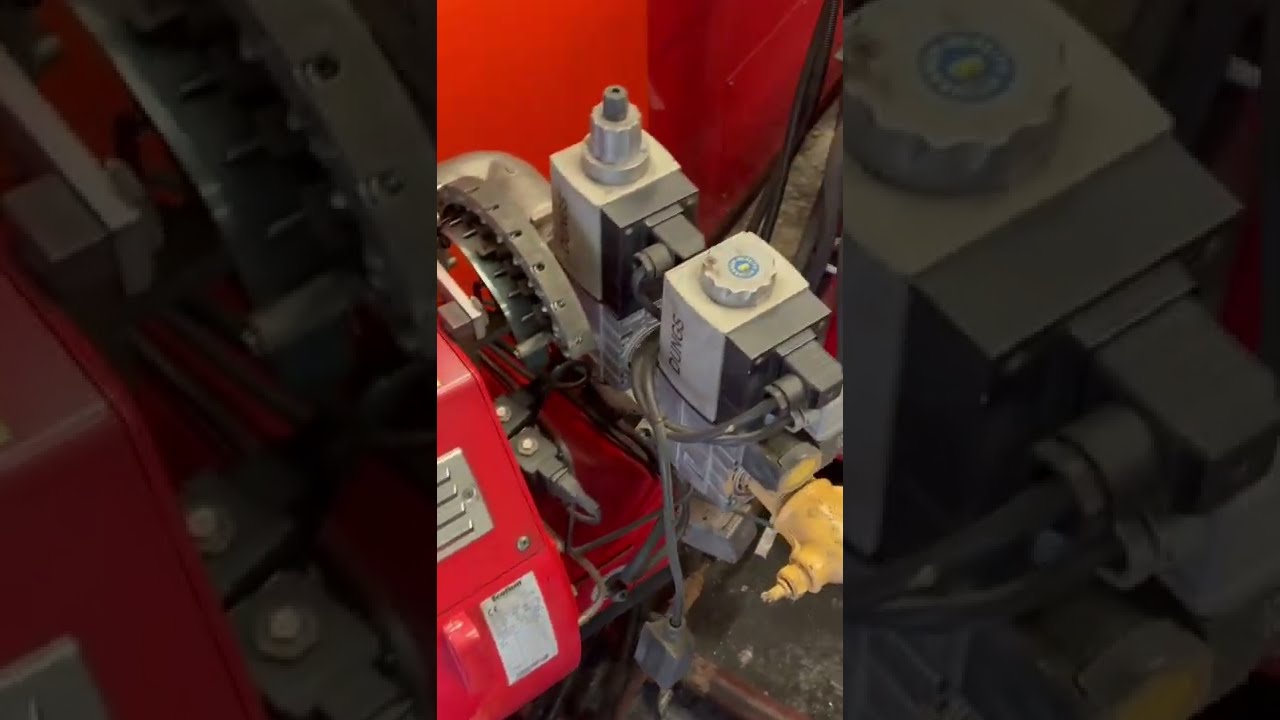
In addition, ongoing study developments remain to improve these technologies, enabling sectors to adopt more efficient processes that meet stringent regulative standards. By focusing on gas purification, you not only comply with laws however also contribute to sustainability efforts, showcasing company obligation. To conclude, the importance of gas purification can not be overemphasized; it's essential to operational success, public health, and ecological stewardship.
Typical Purification Strategies
To deal with the challenges of gas filtration, various methods have arised that properly get rid of impurities and boost gas high quality. Recognizing these common approaches is crucial for attaining purification requirements that satisfy sector requirements.
One prevalent technique is filtration, where particulate issue is caught making use of filters, guaranteeing that only clean gas goes through. An additional approach is adsorption, which entails the adherence of gas particles to strong surface areas, properly getting rid of pollutants. Lastly, catalytic conversion utilizes stimulants to promote chemical reactions that transform unsafe materials right into less dangerous ones.
These methods can evoke solid feelings concerning the value of clean gas: - Safety: Guaranteeing the air you breathe is without damaging impurities. - Effectiveness: Improving operational performance in numerous applications. - Environmental Responsibility: Contributing to a cleaner world by minimizing exhausts.
Absorption Approaches
When thinking about absorption approaches for gas purification, you'll need to review the numerous kinds of absorbents available, as each has distinct residential or commercial properties that influence performance. Carrying out effective process renovation strategies can greatly improve the performance of your absorption system. Recognizing these aspects is vital for achieving ideal gas purification results.
Kinds of Absorbents
Absorbents play a vital duty in the gas filtration process, successfully eliminating undesirable parts from gas streams. Picking the appropriate absorptive can greatly enhance your purification effectiveness. Two noticeable kinds of absorbents are all-natural zeolites and triggered carbon, each offering distinct advantages based upon their unique residential properties.
- All-natural zeolites: These are crystalline, microporous minerals that succeed at trapping ions and tiny molecules. They're extremely efficient in moisture elimination and can selectively absorb certain gases.
- Triggered carbon: Recognized for its high surface area, turned on carbon is a versatile absorptive efficient in adsorbing a wide range of natural and inorganic toxins. Its permeable structure permits the capture of unpredictable substances, making it excellent for industrial applications.
- Hybrid systems: Integrating both natural zeolites and triggered carbon can optimize absorption performance and target a broader spectrum of contaminants.
When you choose the best absorbent, you not only boost purification outcomes however likewise add to a cleaner environment. Recognizing the unique capacities of natural zeolites and triggered carbon is essential for optimizing your gas filtration techniques properly.
Refine Optimization Methods
Enhancing gas filtration procedures includes a complete understanding of absorption approaches to enhance efficiency and efficiency. To accomplish process efficiency, you require to assess the system's design and operational specifications. Concentrate on return enhancement by selecting absorbents that optimize solubility and reaction prices.
Energy reduction can substantially affect your overall costs, so consider carrying out warmth combination techniques and maximizing running temperatures. Cost minimization is possible by evaluating the whole process chain, determining bottlenecks, and using strategies such as bulk getting of absorbents.
System combination is crucial in creating a seamless operations. By integrating numerous stages of gas filtration, you can guarantee smoother modifications and minimized downtime. Real-time tracking allows you to track performance metrics continuously, enabling you to make educated modifications on the fly.
Integrating comments loops within your process can provide beneficial understandings right into functional performance, aiding you improve methods over time. By constantly assessing and changing your strategies based upon these metrics, you'll enhance both process efficiency and total efficiency in gas filtration. This analytical strategy is vital to grasping absorption techniques and attaining ideal outcomes.
Adsorption Procedures
In gas filtration, selecting the ideal adsorbent is essential for efficiency and performance. You'll wish to review various types of adsorbents, each with distinct residential or commercial properties that influence their efficiency in various applications. Additionally, carrying out procedure optimization techniques can considerably enhance adsorption performance and general system performance.
Sorts of Adsorbents
Often neglected, the selection of adsorbent plays a crucial role in the efficiency of gas filtration procedures. Understanding the numerous types of adsorbents can meaningfully affect your filtration outcomes. Right here are a few choices to explore:
- Triggered carbon: Highly efficient for organic compound adsorption.
- Zeolite products: Excellent for molecular sieving and selective adsorption.
- Silica gel: Recognized for wetness control and low-priced applications.
You may additionally discover advanced materials like metal natural frameworks (MOFs), which use high area and tunable pore sizes, enhancing adsorption abilities. Polymeric adsorbents can give unique chemical affinities, while nanomaterial applications provide cutting-edge remedies for details gases. Do not forget about all-natural adsorbents, which are often lasting and environmentally friendly, and composite adsorbents that combine various materials for enhanced performance.
Each kind of adsorbent has its own staminas and weak points, making it vital to choose the best one based on your particular needs. By meticulously evaluating these alternatives, you can maximize your gas purification procedures and attain more reliable results.
Refine Optimization Strategies
Reliable procedure optimization approaches in adsorption processes can substantially boost the effectiveness and cost-effectiveness of gas filtration. To attain this, you need to concentrate on optimizing vital specifications such as temperature, stress, and circulation price. By readjusting these variables, you can significantly enhance procedure performance, making sure that the optimum quantity of target gas is captured while reducing power consumption.
You'll additionally wish to select the appropriate adsorbent product. Consider its surface, pore dimension distribution, and adsorption characteristics. A customized strategy in adsorbent option leads to much better efficiency and expense decrease over time. Implementing an organized or multi-bed adsorption system can further enhance the procedure, allowing for constant operation and lowered downtimes.
Normal monitoring and upkeep of your system are crucial. This assists you determine inefficiencies and make necessary changes immediately. Utilizing sophisticated control systems and real-time information analytics can additionally give insights right into enhancing functional specifications dynamically.
Including these strategies will certainly not only enhance your gas filtration process however additionally add to total sustainability by lowering waste and power use, ultimately causing significant price financial savings.
Membrane layer Separation
Membrane separation innovations have actually acquired importance due to their performance in gas purification procedures. By making use of different membrane layer products, you can achieve high separation efficiency while decreasing power consumption. This technique is particularly beneficial for applications requiring careful gas removal, such as co2 from natural gas.
Right here are some vital advantages of membrane layer separation:
- Cost-Effectiveness: Decreases operational costs through lower power demands.
- Compact Style: Calls for less area compared to standard purification methods, making it suitable for various installments.
- Ecological Impact: Add to lasting methods by decreasing greenhouse gas discharges.
When choosing membrane products, take into consideration elements like permeability, selectivity, and sturdiness. These qualities straight affect the overall performance and longevity of your filtration system. With improvements in polymeric and ceramic membrane layers, the industry is observing renovations in splitting up effectiveness, pressing the borders of what's attainable in gas purification.
Cryogenic Distillation
While membrane separation offers substantial advantages for certain applications, cryogenic purification offers a durable choice for gas filtration, specifically when managing gases that require high purity levels. This technique maximizes the varying steaming points of gases, allowing you to divide components efficiently at cryogenic temperature levels. The cryogenic efficiency of this strategy is vital, as it reduces power usage while taking full advantage of splitting up performance.
However, you'll come across purification challenges that need careful consideration. The layout of the distillation column have to suit variables such as pressure decrease, thermal gradients, and the physical residential or commercial properties of the gases involved. These difficulties can bring about inefficiencies otherwise addressed properly, influencing the general performance of the system.
To minimize these problems, you need to concentrate on maximizing operational parameters, such as reflux ratios and column elevation. Furthermore, using sophisticated control systems can improve the security of the process, making sure constant purity degrees. Ultimately, comprehending the complexities of cryogenic purification will equip you to execute this powerful technique successfully, accomplishing the high pureness standards called for in various industrial applications.
Thermal Oxidation
Thermal oxidation is a vital gas filtration strategy that utilizes heats to convert unsafe compounds right into less poisonous compounds. You'll discover its applications range from industrial waste therapy to exhausts regulate, showcasing its versatility. However, comprehending both the benefits and restrictions of this approach is necessary for efficient application in different contexts.
Concepts of Thermal Oxidation
Gas purification through thermal oxidation efficiently breaks down unstable natural compounds (VOCs) and various other pollutants by subjecting them to heats in the visibility of oxygen. This procedure relies upon concepts of combustion kinetics, making sure that the response takes place efficiently and completely. By maintaining suitable thermal efficiency, you can reduce energy consumption while optimizing contaminant destruction.
To comprehend the impact of thermal oxidation, consider:
- The considerable decrease of unsafe discharges
- The enhancement in air quality for neighborhoods
- The favorable results on human health and wellness and the atmosphere
Recognizing the problems that impact combustion kinetics is vital. Elements like temperature level, stress, and the focus of catalysts straight influence reaction rates. By enhancing these criteria, you improve the thermal efficiency of the system, guaranteeing a much more efficient break down of VOCs.
Applications in Gas Filtration
In various industrial applications, thermal oxidation has actually proven essential for purifying gases by effectively breaking down a large range of volatile organic substances (VOCs) and unsafe pollutants. This innovation uses high temperatures to convert dangerous compounds into benign byproducts, mainly co2 and water vapor. You'll find thermal oxidation specifically important in petrochemical, pharmaceutical, and automobile industries, where VOC exhausts are prevalent.
By integrating thermal oxidizers right into your procedures, you not only follow strict environmental guidelines but additionally enhance your center's total sustainability account. The system's capability to manage varied waste streams permits versatility in application, making it a preferred choice for many manufacturers. You'll appreciate the ecological benefits, as thermal oxidation significantly decreases the release of poisonous substances right into the atmosphere, adding to cleaner air and boosted public wellness.
Furthermore, thermal oxidation systems can be designed to recoup power from the combustion procedure, further strengthening their efficiency. As sectors go for greener services, the adoption of thermal oxidation mirrors a dedication to lessening ecological impact while keeping operational efficiency. This makes it a critical part in modern gas purification approaches.
Advantages and Limitations
A number of benefits make thermal oxidation a preferred approach for gas purification, especially in industries taking care of VOC exhausts. This technique effectively damages down dangerous substances, reducing environmental influence significantly. When you carry out an expense analysis, you'll typically find that thermal oxidation provides long-lasting savings as a result of lower operational prices and lowered governing costs.
Nevertheless, it's vital to identify the limitations also. For example, the preliminary capital investment can be high, and power consumption may be considerable. Furthermore, not all VOCs can be efficiently dealt with through thermal oxidation, which may require auxiliary innovations.
Consider these psychological aspects: - Security: You're making sure a healthier environment for your neighborhood. - Conformity: You're satisfying policies and preventing expensive penalties. - Innovation: You're buying advanced technology that sets your procedures apart.
Organic Treatment
Biological therapy techniques efficiently harness the capacities of microorganisms to cleanse gases, making them an increasingly prominent choice in ecological design. You'll discover that microbial metabolism plays a fundamental function in breaking down hazardous contaminants in different gas streams. By utilizing particular stress of microorganisms or fungis, you can effectively target and degrade volatile natural compounds (VOCs) or various other hazardous materials.
When developing a bioreactor, it's important to examine aspects such as oxygen supply, temperature, and nutrient accessibility. These criteria greatly affect the effectiveness of microbial task and, as a result, the overall purification process. You'll intend to improve bioreactor design to guarantee that the microbes have the suitable atmosphere for maximum metabolic task.
In addition, maintaining a constant hydraulic retention time is essential for verifying that the pollutants are effectively broken down. Constant tracking and modification can assist you accomplish optimal problems for microbial development and metabolic feature. In comparison to traditional gas treatment methods, organic therapy uses a lasting and economical remedy, enabling the reduction of greenhouse gas discharges and advertising ecological health.
Innovative Technologies
While biological therapy methods have actually proven effective, the field of gas purification remains to advance with cutting-edge innovations that improve effectiveness and widen application arrays. These emerging technologies are essential for resolving today's environmental obstacles and fulfilling the stringent regulative impacts imposed on industries.
You'll find that carbon capture systems are becoming a cornerstone of lasting solutions, allowing industries to notably reduce their greenhouse gas exhausts. In addition, developments in purification products and procedures are expanding industrial applications, making it easier to execute reliable filtration approaches.
- Economic feasibility: Newer technologies often lead to set you back reductions with time.
- Ecological advantages: Boosted filtration approaches contribute to a healthier earth.
- Future trends: Continued advancement recommends a lot more reliable services coming up.
As you browse these developments, consider the equilibrium in between financial feasibility and ecological benefits. The future of gas purification exists not simply in adopting these modern technologies but also in comprehending their effects on operational practices and conformity. By leveraging cutting-edge innovations, you can position yourself at the leading edge of sustainable methods, making certain both regulatory conformity and a favorable effect on the environment.
Ideal Practices for Implementation
Implementing efficient gas filtration strategies needs mindful preparation and adherence to finest techniques to guarantee ideal performance. Start by carrying out a complete needs analysis to recognize particular requirements and potential implementation obstacles. This first step assists you align your purification system with functional objectives and regulative conformity standards.
Next, pick the appropriate innovation based on your application. Think about variables like the sort of pollutants, flow prices, and environmental conditions. Once you've picked a system, see to it that you establish a comprehensive installation strategy that consists of timelines, resource allotment, and threat assessment.
Training your employees is vital. Outfit your group with the essential expertise concerning system operation, upkeep, and fixing to optimize performance and mitigate threats. Routine upkeep checks should be set up to make sure conformity with regulative criteria and to prolong the life-span of your tools.

Finally, develop a comments loop to continually analyze the efficiency of your gas filtration strategies. This aggressive technique enables you to make changes as required, making certain continuous conformity and attending to any type of emerging obstacles promptly. By adhering to these best techniques, you can improve the reliability and performance of your gas filtration systems.
Often Asked Inquiries
What Industries Benefit the Most From Gas Filtration Techniques?
You'll discover that markets like petrochemical applications and semiconductor manufacturing considerably take advantage of gas purification methods. In petrochemicals, detoxifying gases assurances high-quality feedstock, which enhances production efficiency and item quality. In semiconductor manufacturing, removing contaminations from gases is vital for generating reliable digital parts. Both markets depend on sophisticated gas filtration to keep stringent high quality criteria and optimize procedures, highlighting the crucial duty these techniques play in their overall operations.
Exactly how Do I Choose the Right Filtration Approach for My Needs?
To choose the best purification method for your needs, examine the specific impurities and preferred pureness levels. If you're dealing with volatile substances, take into consideration adsorption techniques for reliable removal. For fragments and bigger particles, membrane layer filtering might be better. Review variables like effectiveness, price, and maintenance demands. By assessing your one-of-a-kind scenario, you can pick the most ideal approach that lines up with your functional objectives and assurances peak performance.
What Are the Ecological Impacts of Gas Filtration Procedures?
When you consider the environmental effects of gas filtration processes, it's necessary to examine exactly how they impact air high quality and contribute to exhaust reduction. Effective filtration techniques can greatly reduce harmful pollutants released into the environment, boosting overall air top quality. However, some processes may produce second waste or call for energy-intensive operations, potentially countering their advantages. Consequently, assessing both the direct and indirect effects is important for making educated choices concerning purification innovations.
How Frequently Should Gas Filtration Equipment Be Kept or Changed?
You need to stick to normal upkeep routines to ensure excellent efficiency of gas filtration systems. Usually, these systems need maintenance every 6 months to a year, relying on usage and environmental conditions. Look for replacement signs like reduced effectiveness, uncommon sounds, or increased pressure drops. If you notice these indicators, it's important to replace elements without delay to stop costly downtimes and ensure the system operates at peak capability.
What Safety And Security Precautions Are Required During Gas Purification Workflow?
Throughout gas filtration operations, you need to prioritize security precautions. Constantly wear personal protective tools (PPE) like gloves, goggles, and respirators to shield on your own from dangerous materials. Identify that emergency response prepares remain in place, outlining procedures for leaks or accidents. Consistently check equipment for breakdowns, and maintain proper air flow in the work area. By following these procedures, you can decrease threats and preserve a safe working environment throughout gas purification activities.
Recap
In understanding gas purification techniques, you not just boost functional effectiveness but additionally line up with governing requirements and ecological goals. By integrating approaches like adsorption, membrane splitting up, and cutting-edge innovations, you can substantially minimize harmful discharges and improve air quality. Embracing ideal practices assurances effective application, promoting a culture of company responsibility and sustainability. Eventually, your commitment to these methods will drive both operational success and a positive influence on ecological health and wellness.